AI System Design
Event times are shown in Europe/Berlin. Sign in to use your timezone
This event is for Main members
Membership is required before you can register for this event.
AI engineering interviews increasingly include a system design round: design a RAG assistant, a support agent, a document pipeline. It's a different skill from writing code, and there is little good practice material for it.
In this workshop we cover both sides: how to approach AI system design interview questions, and how real AI systems are architected. We go through questions live and design the systems step by step.
What we'll cover: - What an AI system design interview looks like and what interviewers check - A step-by-step way to approach a question: requirements, data, retrieval, model choice, tools, evaluation, monitoring, cost - Design one or two systems end to end on a whiteboard - How the same decisions look in real-world AI system architecture - The trade-offs that come up again and again: latency vs cost, RAG vs fine-tuning, single agent vs multiple agents - Common mistakes
You'll leave with a framework you can use for system design interviews and for designing your own projects.
Who it's for: people preparing for AI engineering interviews, and engineers who want to design AI systems more deliberately.
Prerequisites: basic understanding of LLMs, RAG and agents. The recording is shared with members after the session.
Hosted by
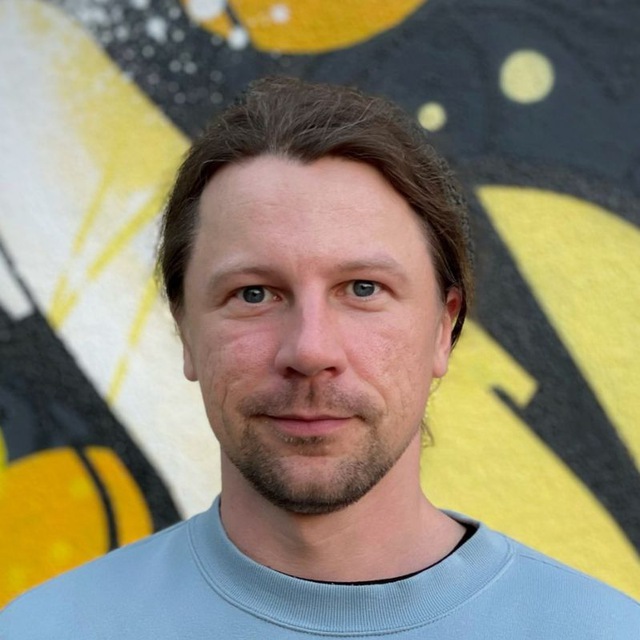
Alexey Grigorev
Chief Agent Officer at AI Shipping Labs
Software engineer and machine learning practitioner with 15+ years of experience building production ML systems. I focus on practical, production-grade ML and AI systems, from early prototypes to reliable systems in production.
I'm the founder of DataTalks.Club, a free community that connects tens of thousands of practitioners worldwide, and the creator of the Zoomcamp series, free, code-first programs that have reached 100,000+ learners globally.
At AI Shipping Labs, I'm building the kind of environment that would have accelerated my own career growth. After years of teaching at scale, I wanted something more focused: a space for action-oriented builders who want to turn AI ideas into real projects. The community gives members the structure, accountability, and peer support to ship practical AI products consistently, even alongside their main jobs.
Related content
Durability
Agents run for minutes or hours, call slow tools and sometimes wait for a human. If the process dies halfway, the run is gone and you start over, sometimes repeating actions that …
January 12, 2027
MCP
MCP lets you write a tool once and use it from many clients: your own agent, Claude Code, Cursor, VS Code. Our previous MCP workshop is more than a year old, and a lot has changed…
January 5, 2027
Freestyle Workshop
A freestyle workshop: you come with your own topic, problem or question, and we work on it live. We try to turn something useful into working code during the session. Previous fre…
January 4, 2027